Turning Waste into Fuel: Used Oil Recycling & Biodiesel in Gujarat | GPCB-Authorised
Turning Waste into Fuel: The Circular Future of Used Oil Recycling in Gujarat
Used oil is often treated as an unavoidable industrial by-product. Across manufacturing units, workshops, food processing plants, and commercial kitchens in Ahmedabad, Kadi, Chhatral, and Vadodara, large volumes of used oil are generated every day.
When managed improperly, this waste poses serious environmental and compliance risks. But when recycled responsibly, used oil becomes a powerful contributor to the circular economy—especially as a source of alternative fuel.
Used Oil Generation Across Gujarat’s Industrial Zones
Industrial hubs such as Savli GIDC, Dahej, POR GIDC, Jambusar GIDC, Halol, Becharaji, and Vithlapur generate significant quantities of:
-
Used engine oil from machinery, generators, and automotive operations
-
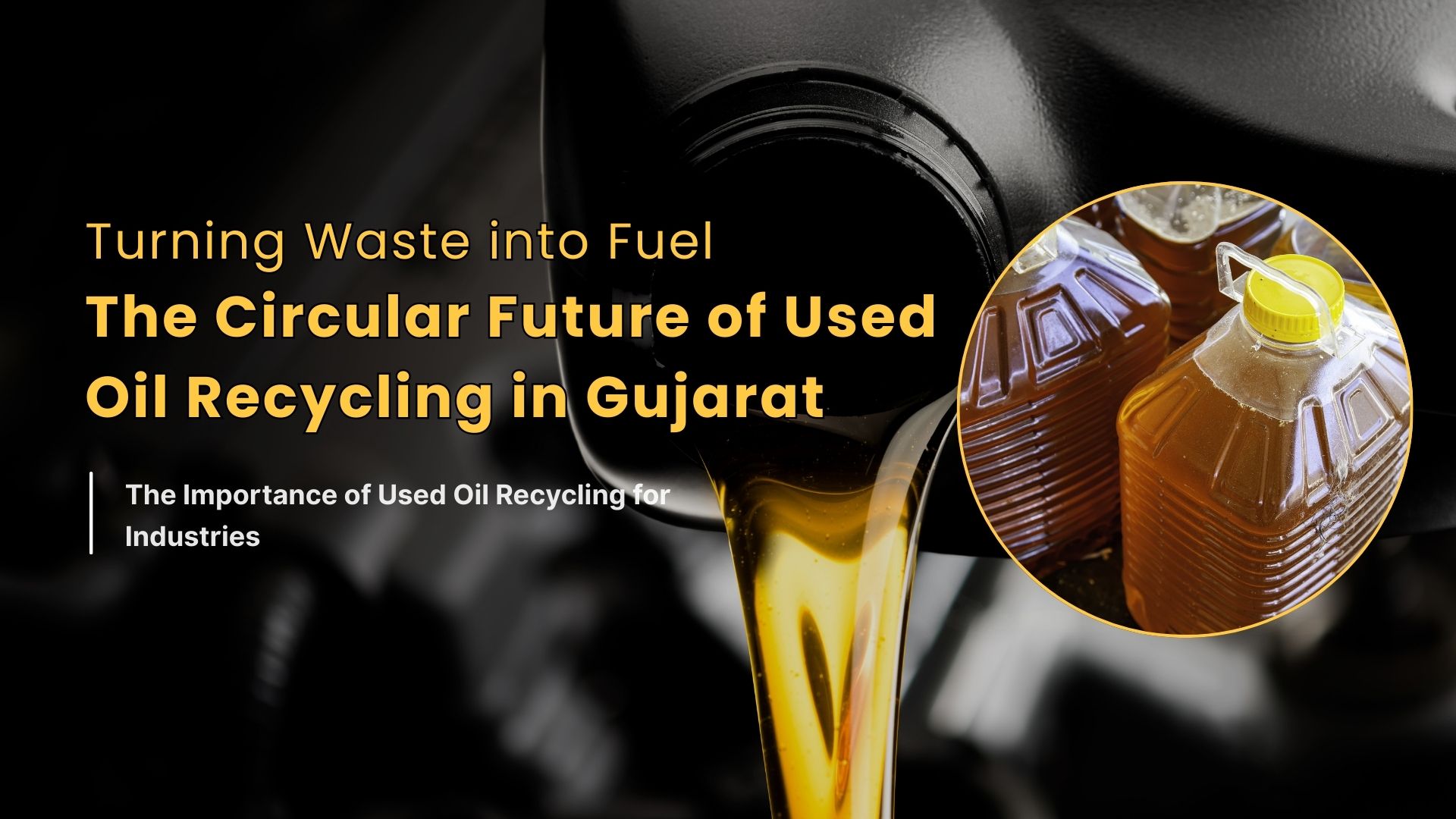
Used edible oil from food industries, hotels, QSRs, and large kitchens
These regions require authorized collection and recycling systems to ensure environmental protection and regulatory compliance.
How Used Oil Is Recycled Into Fuel
Authorized used oil recyclers follow a structured process:
1. Collection from Authorized Sources
Used oil is safely collected from industrial and commercial units across Ahmedabad, Vadodara, Savli GIDC, Dahej, and nearby zones using approved handling practices.
2. Segregation & Quality Assessment
-
Engine oil and edible oil are segregated
-
Samples are tested to determine the appropriate recycling pathway
3. Recycling & Fuel Conversion
-
Used engine oil is re-refined or processed into industrial fuel
-
Used edible oil (UCO) is converted into biodiesel, reducing dependency on fossil fuels
This process ensures oil waste is reintroduced into the energy cycle instead of polluting land and water bodies.
Why Used Oil Recycling Is Critical for Industries
Environmental Protection
Improper disposal can contaminate soil and groundwater—especially in industrial belts like Becharaji, Halol, and Jambusar GIDC.
Compliance & Documentation
Industries operating in Gujarat are increasingly audited. Authorized recycling ensures:
-
Collection receipts
-
Proper documentation
-
Audit-ready compliance records
ESG & Sustainability Goals
Recycling used oil into fuel directly supports corporate ESG targets and sustainability reporting.
Operational Safety
Reducing long-term storage of used oil minimizes fire hazards and workplace risks.
Used Engine Oil vs Used Edible Oil: Same Responsibility, Different Outcomes
| Used Oil Type | Recycling Outcome |
|---|---|
| Used Engine Oil | Re-refining / industrial fuel |
| Used Edible Oil | Biodiesel production |
Both streams contribute to energy recovery and environmental protection when recycled responsibly.
Supporting the Circular Economy in Gujarat
From Ahmedabad to Dahej, and from Kadi to Savli GIDC, used oil recycling is enabling industries to move beyond disposal and toward resource recovery.
The circular model:
-
Reduces landfill and pollution
-
Converts waste into fuel
-
Supports renewable energy goals
-
Strengthens regulatory compliance
Choosing the Right Used Oil Recycler in Gujarat
Industries should partner with recyclers who:
-
Are authorized by pollution control authorities
-
Operate across Gujarat’s industrial zones
-
Provide transparent documentation and traceability
-
Follow safe handling and processing standards
A responsible recycler protects not just the environment—but your business reputation as well.
Conclusion
Used oil is no longer just industrial waste. In regions like Ahmedabad, Vadodara, Savli GIDC, Dahej, Halol, and Jambusar GIDC, it is becoming a key resource for fuel generation and circular growth.
By recycling used oil responsibly, industries can turn environmental responsibility into long-term value.